
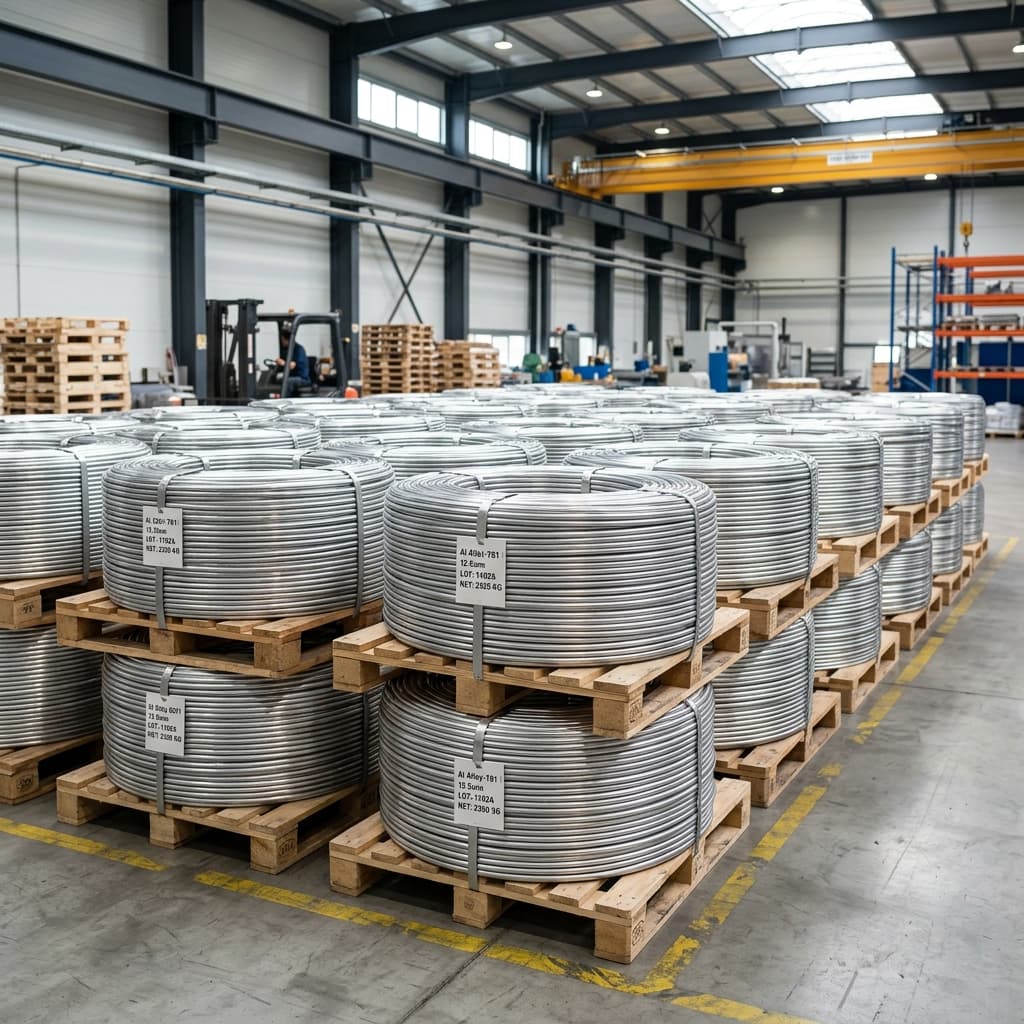
High-strength aluminium alloy 6201 with optimized chemical composition for durability.
Conductivity ≥ 54%IS 398 Part 4
Aluminium alloy 6201
Aluminium alloy 6201
Alloy strands form a homogeneous conductor body.

All Aluminium Alloy Conductors engineered for better corrosion resistance, improved strength-to-weight ratio, and efficient overhead line performance.
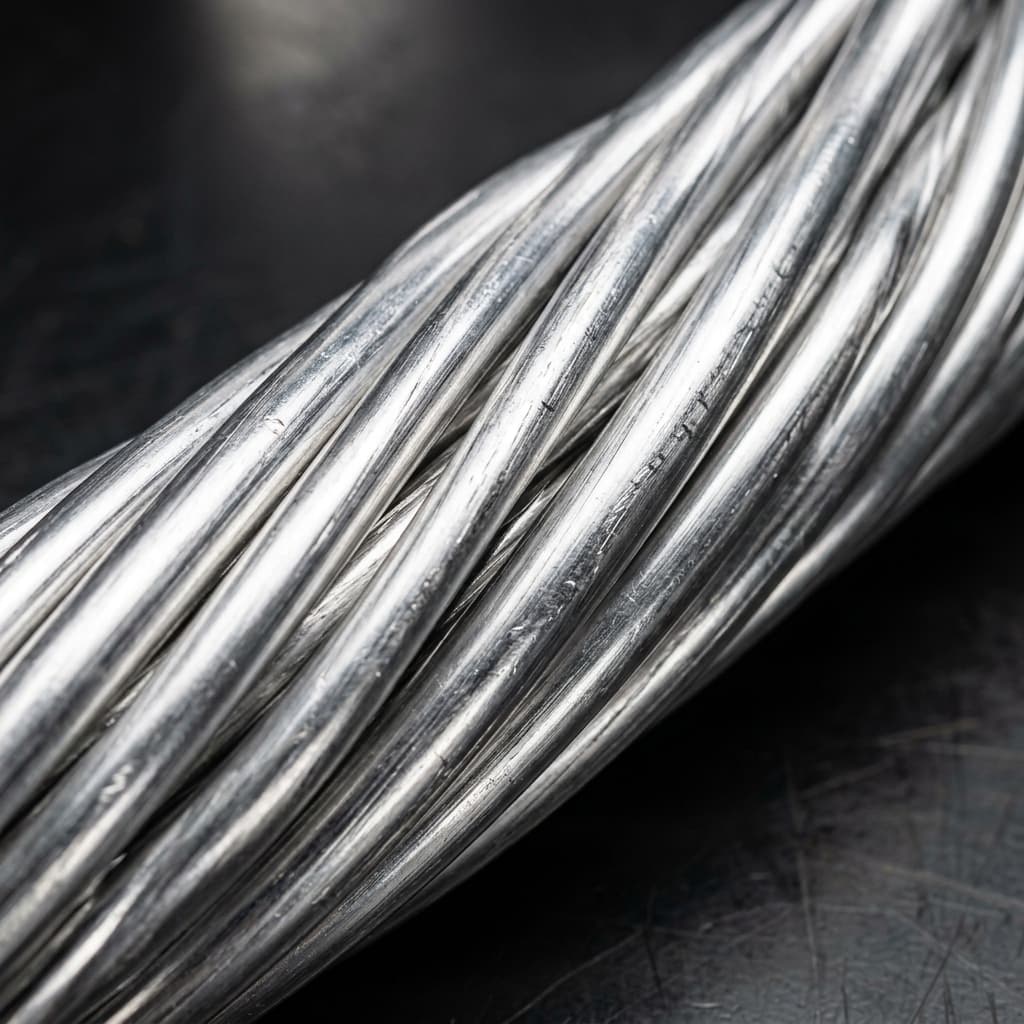
AAAC conductors are generally manufactured from aluminium alloy 6201. The brochure notes minimum conductivity of 54 percent and highlights AAAC's corrosion resistance, improved electrical conductivity compared with ACSR on equal diameter basis, and better strength-to-weight ratio.
Supports longer spans and potential savings in towers and accessories.
Strong fit for coastal, industrial, and polluted environments.
No steel core, reducing galvanic corrosion concerns.
Alloy conductor profile can reduce losses versus traditional options in the right design.
Useful where lifecycle performance is a priority.
Brochure lists AAAC as per IS 398 Part 4.
Position AAAC around alloy chemistry discipline, controlled stranding, resistance validation, breaking load checks, and consistent surface quality.
High-strength aluminium alloy 6201 with optimized chemical composition for durability.
Alloy strands form a homogeneous conductor body.
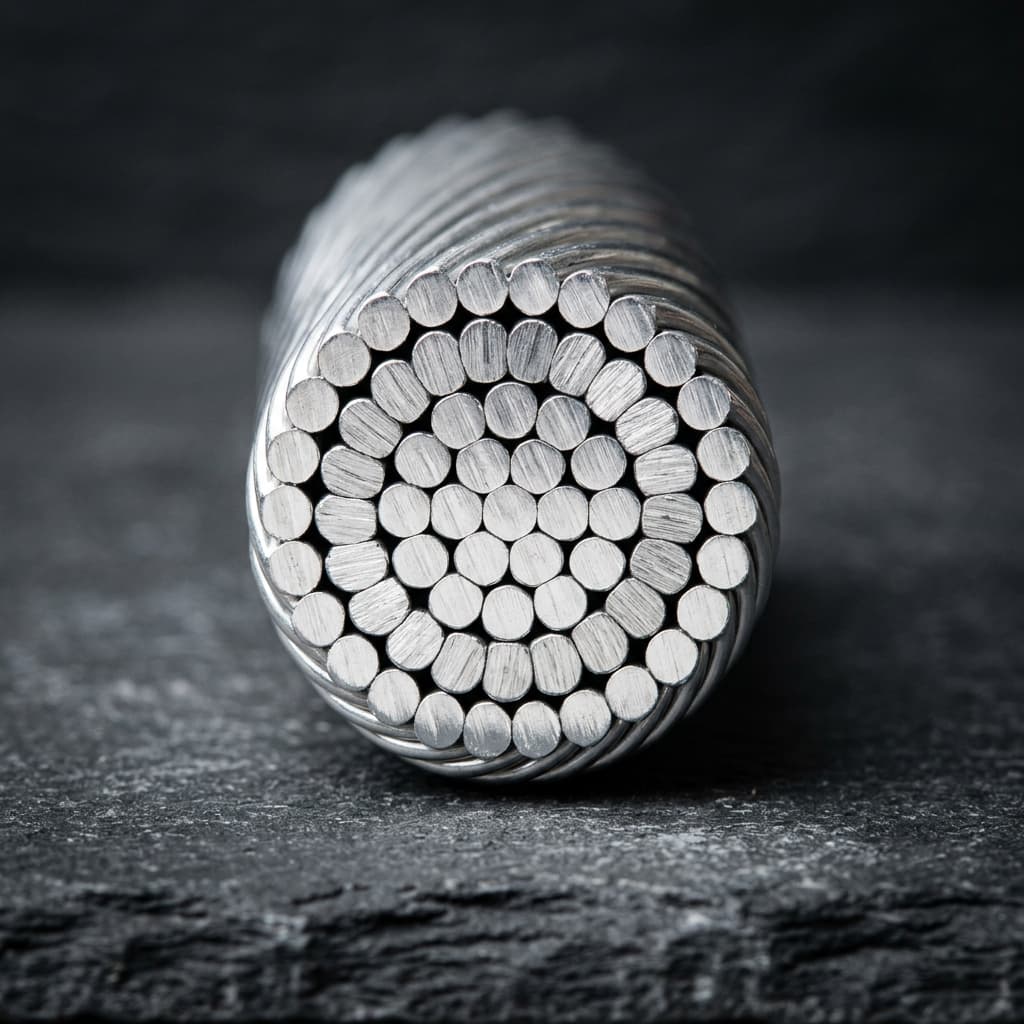
Strands are twisted to the required diameter and lay.
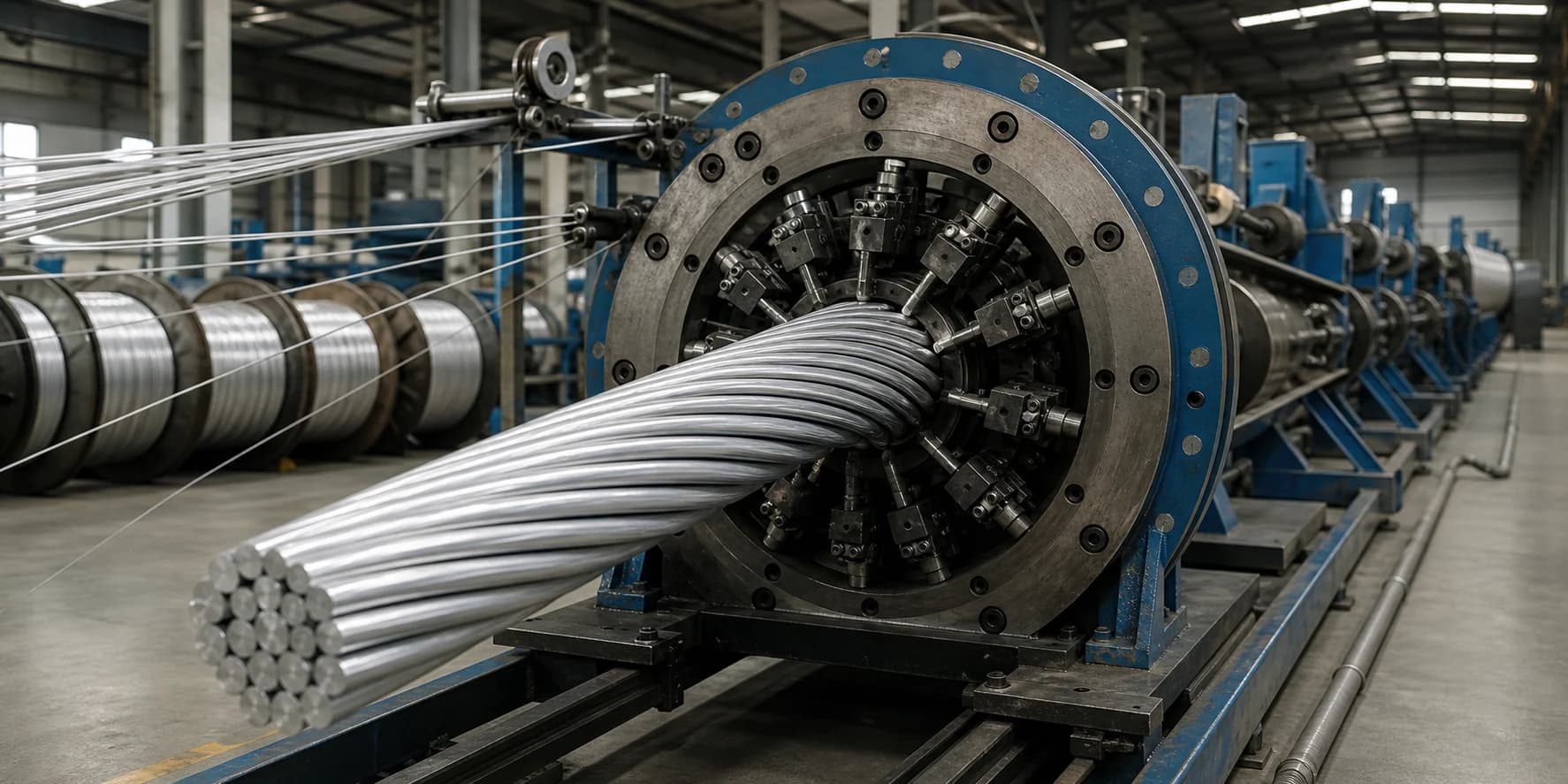
The construction relies on aluminium alloy strength rather than steel reinforcement.
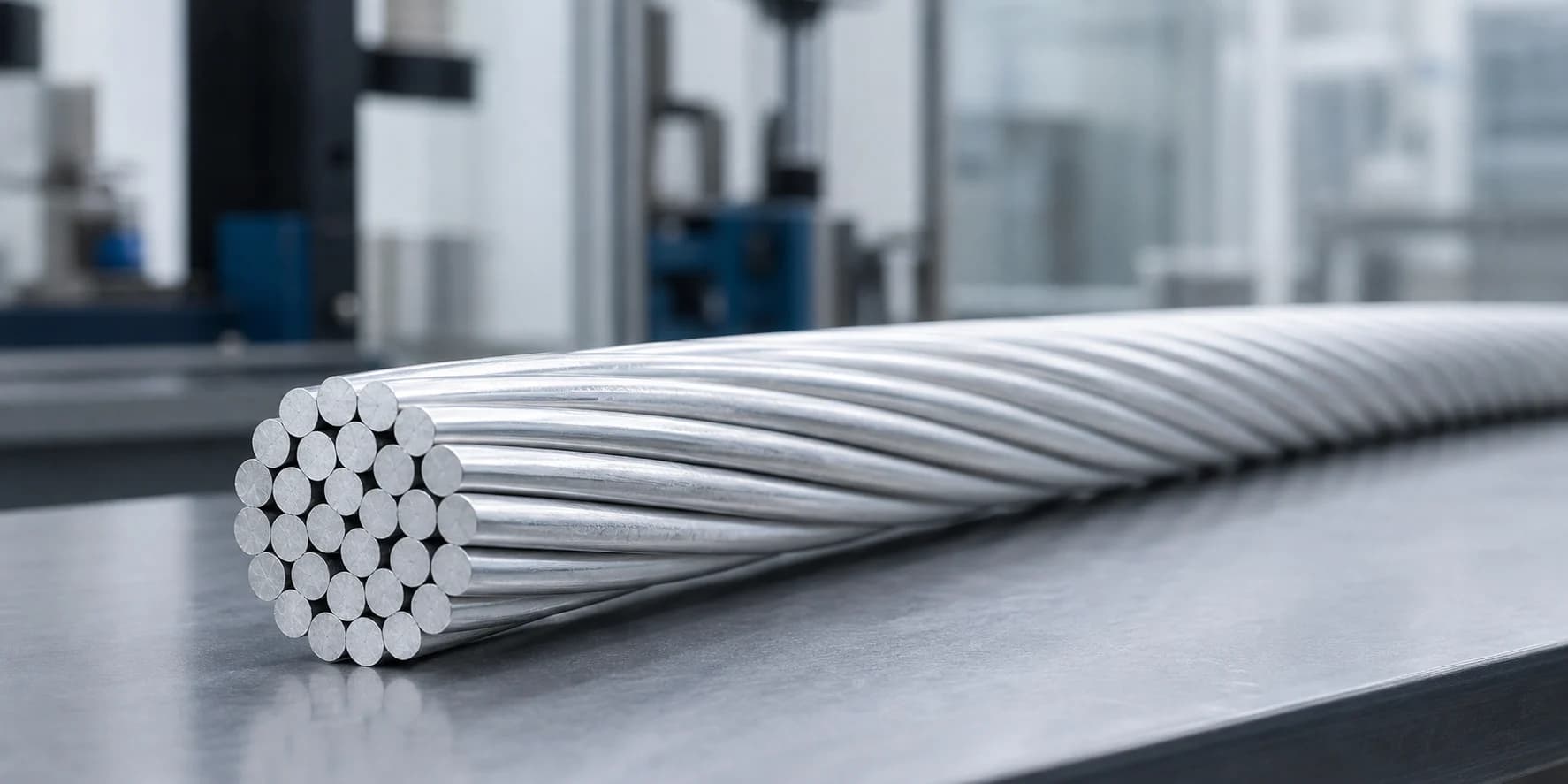
Brochure includes sizes from small distribution conductors to large transmission formats.

Alloy hardness improves handling resistance compared with softer conductor surfaces.
Alloy strands form a homogeneous conductor body.
Strands are twisted to the required diameter and lay.
The construction relies on aluminium alloy strength rather than steel reinforcement.
Brochure includes sizes from small distribution conductors to large transmission formats.
Alloy hardness improves handling resistance compared with softer conductor surfaces.





01
Overhead transmission and distribution lines.
Coastal and polluted industrial corridors.
Lines requiring higher span efficiency than AAC.
Projects seeking weight reduction versus steel-reinforced formats.
Messenger support applications where standards permit.
Material
Aluminium alloy 6201
Conductivity
Minimum 54 percent, as per brochure
Standard
IS 398 Part 4
Key advantage
Corrosion resistance and strength-to-weight ratio
Typical use
Transmission and distribution overhead lines
Position AAAC around alloy chemistry discipline, controlled stranding, resistance validation, breaking load checks, and consistent surface quality.
The product page should give procurement and engineering teams enough clarity to start a conversation, while full technical tables are shared during the technical review process.
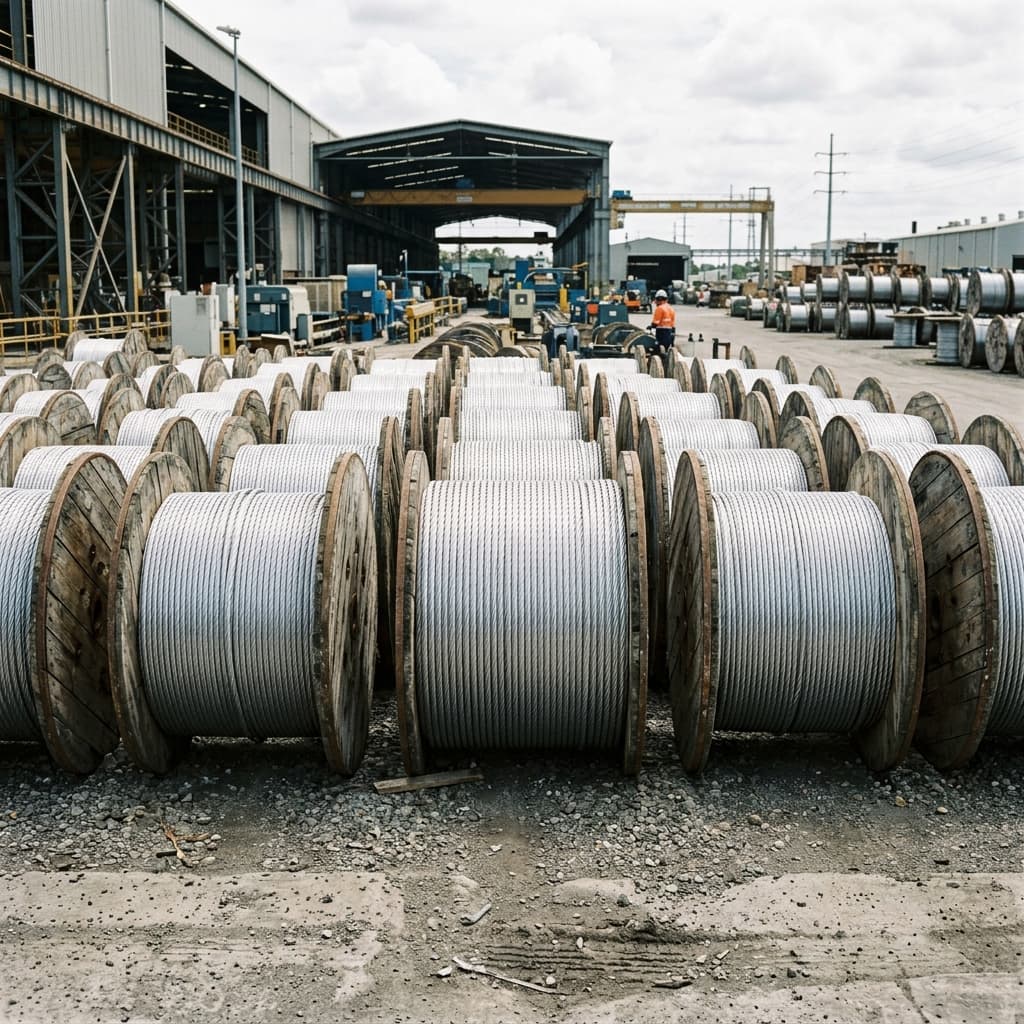
Discuss route conditions, span requirements, and applicable standards with the Palriwal team.