01
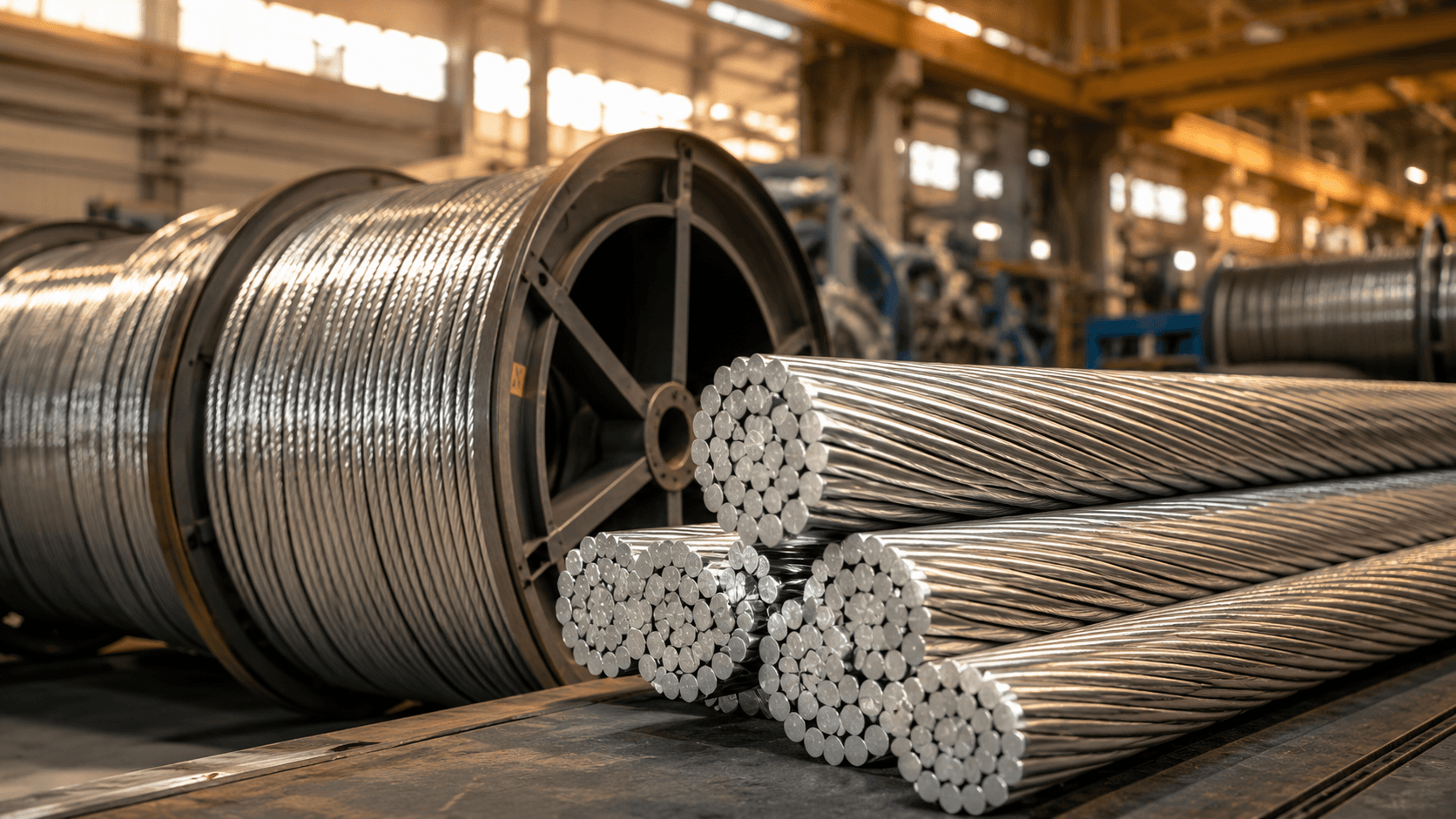
Aluminium alloy wires
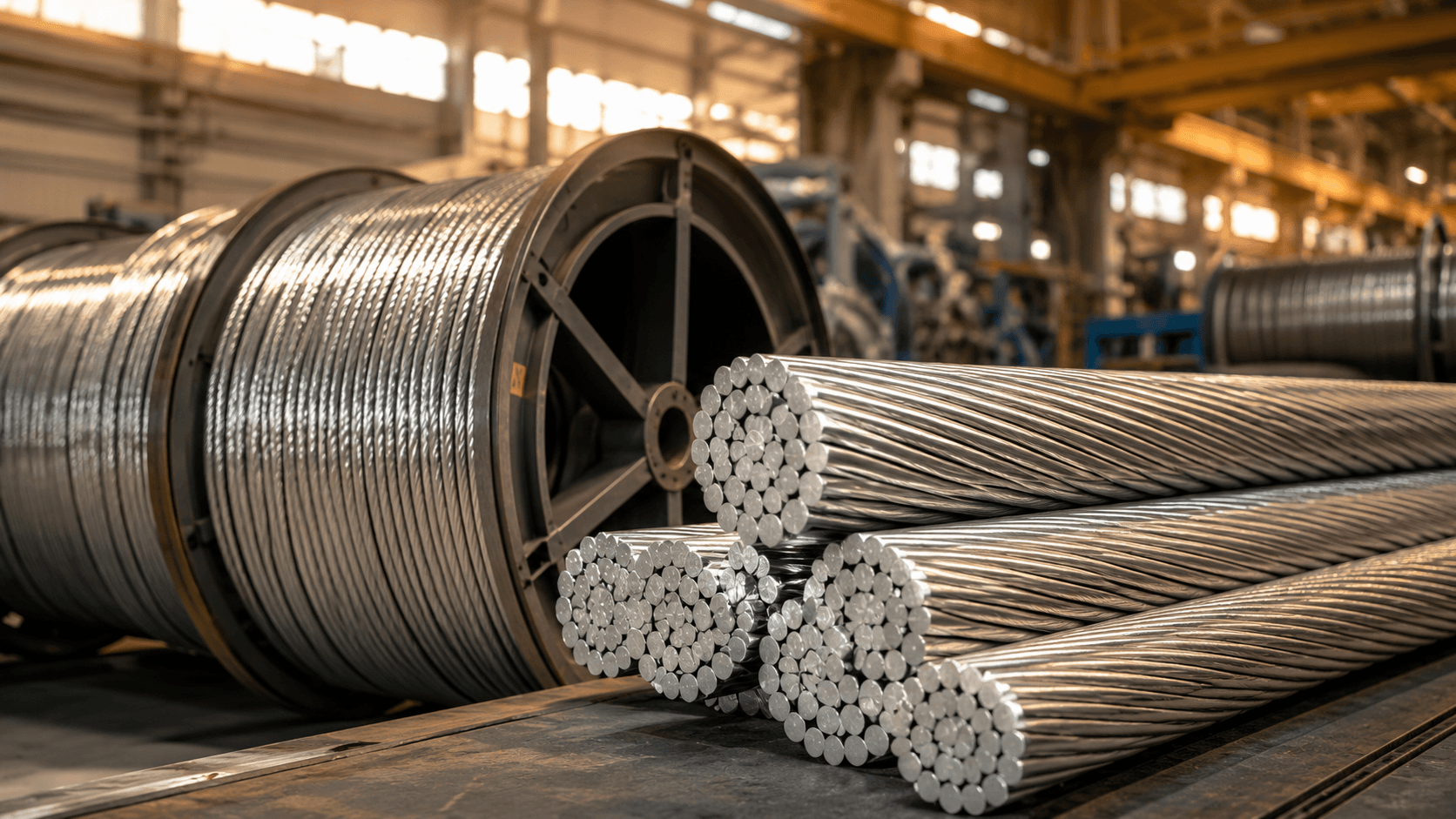
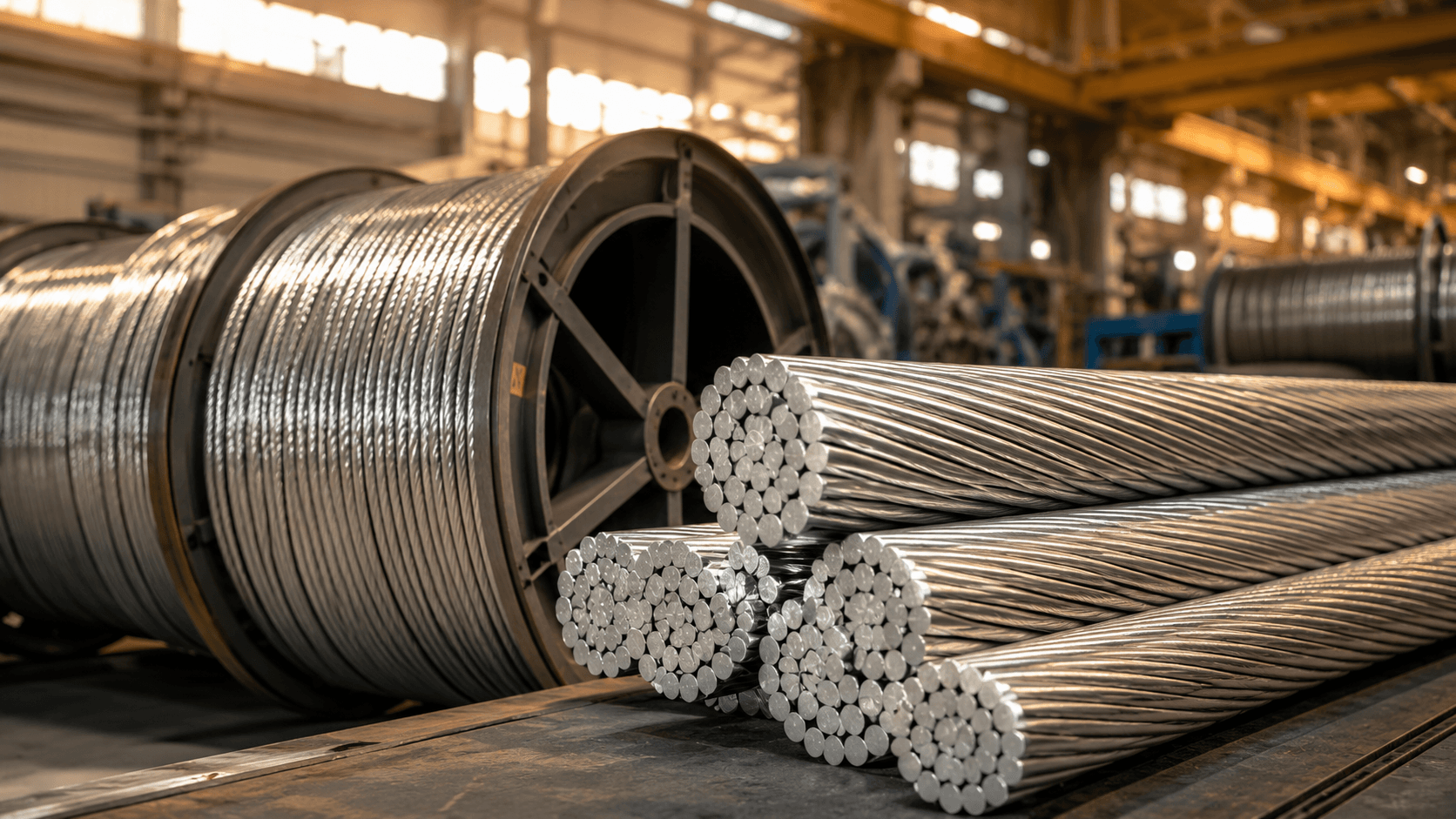
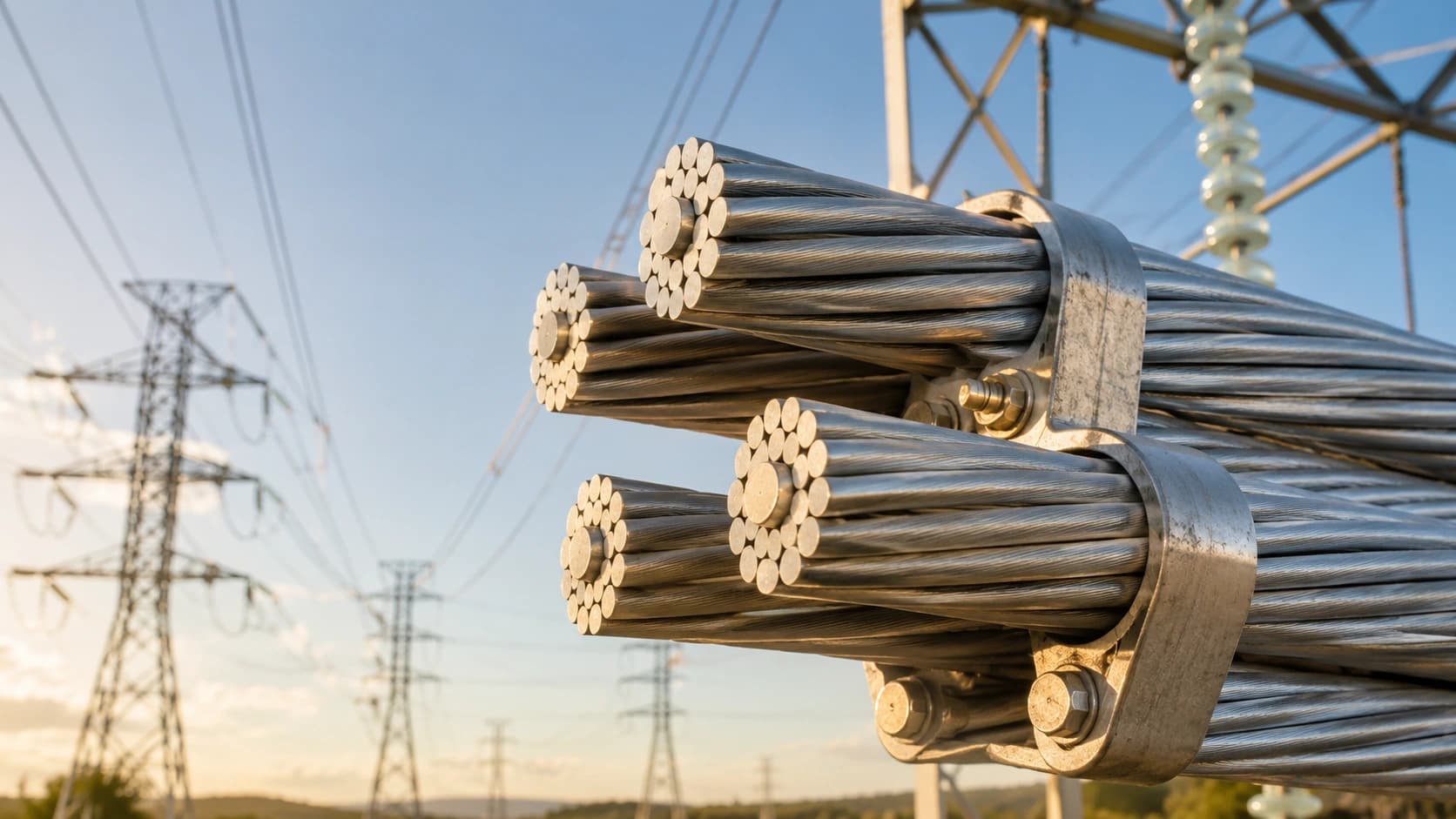
High-conductivity outer strands support efficient current flow, balanced conductor weight, and stable transmission output across utility corridors.
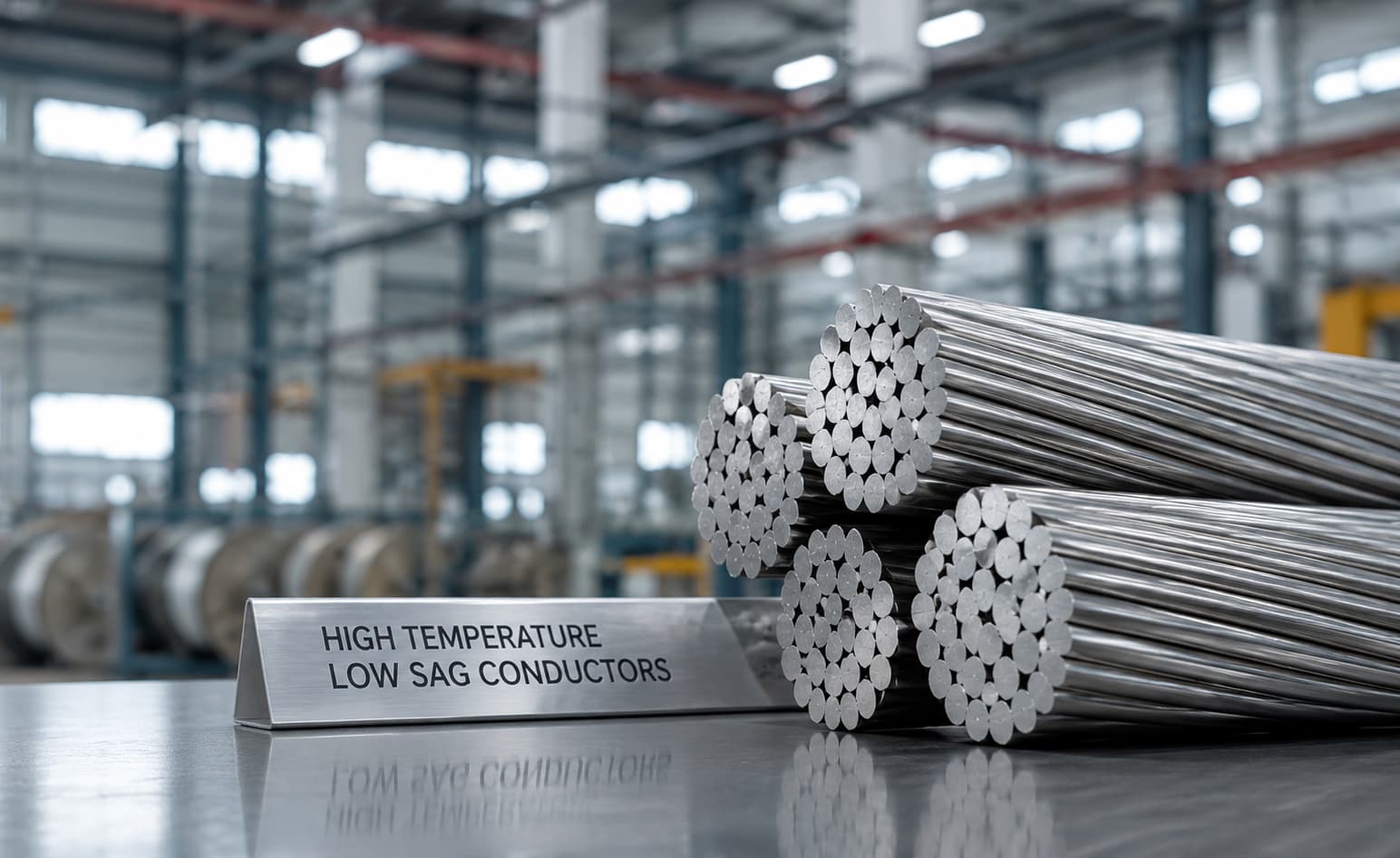
High Temperature Low Sag conductors designed for higher ampacity, lower sag, and superior performance in power transmission networks.

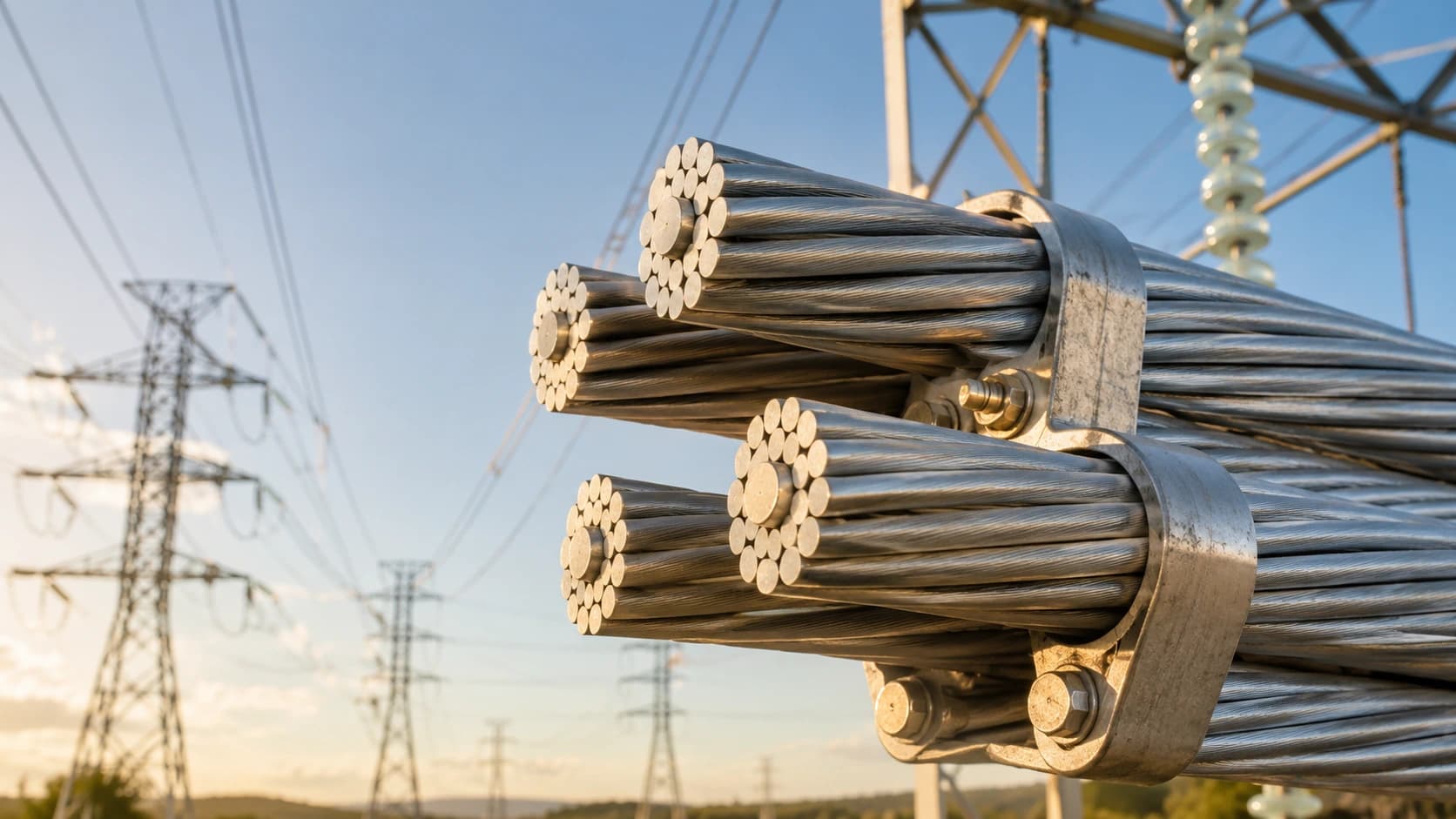
HTLS conductors help utilities increase power transfer capability, manage sag, and improve reliability across constrained transmission routes.
Carry more current on existing transmission alignments without forcing complete corridor redevelopment.
Maintain stronger ground clearance and thermal stability even when the network is pushed harder.
Upgrade line performance with reduced structural intervention across live utility infrastructure.
Support more efficient power transfer with better conductor behavior across demanding load conditions.
Improve operational confidence for utilities handling constrained routes and fluctuating demand patterns.
Expand transfer capacity while minimizing additional right-of-way pressure in dense network corridors.
From conductive outer strands to validated quality systems, the HTLS build-up is engineered to balance heat tolerance, mechanical confidence, and long-term utility service.

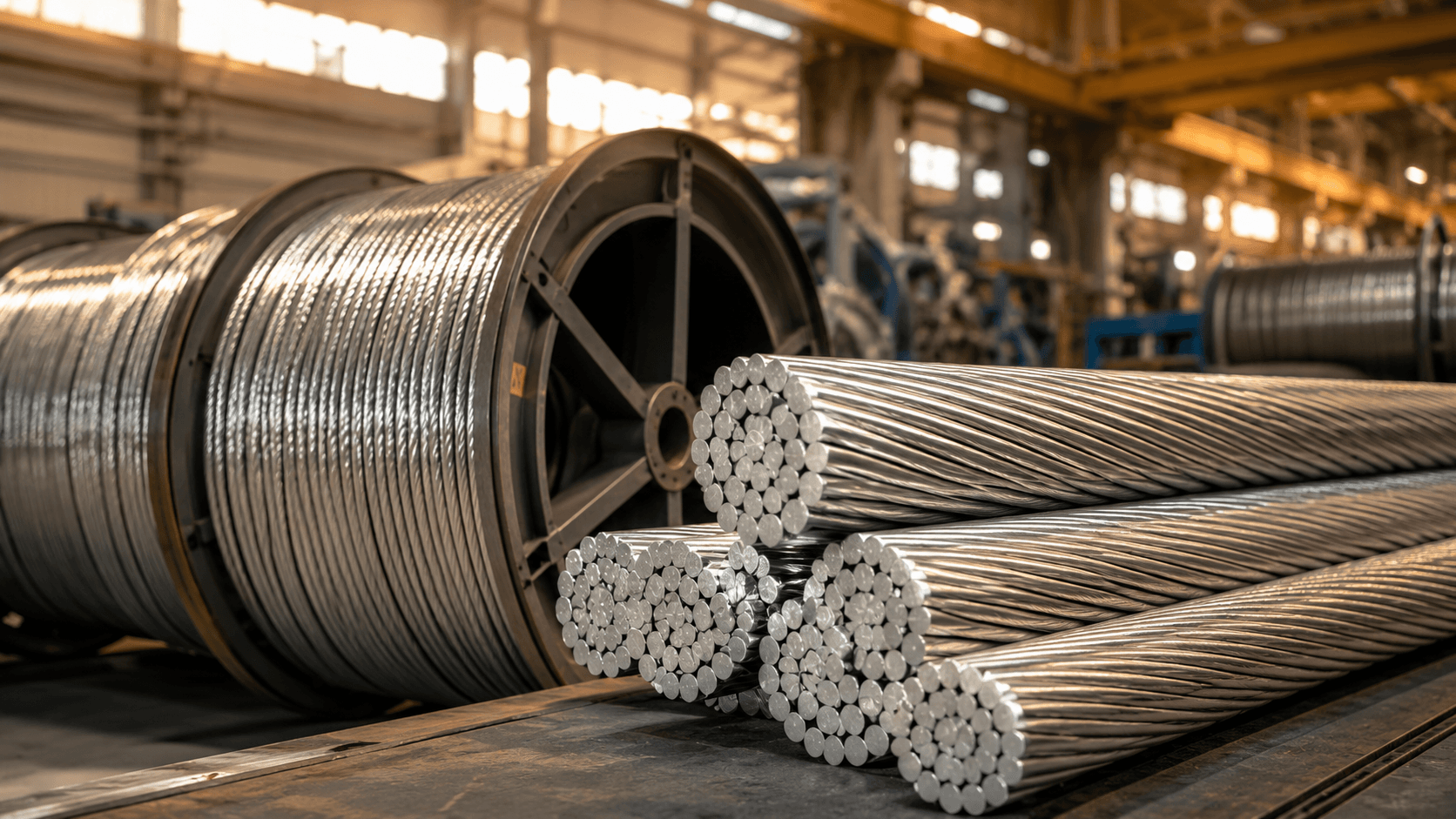
01
High-conductivity outer strands support efficient current flow, balanced conductor weight, and stable transmission output across utility corridors.

02
A reinforced inner core preserves tensile strength, controls sag, and improves span confidence under higher thermal loading.

03
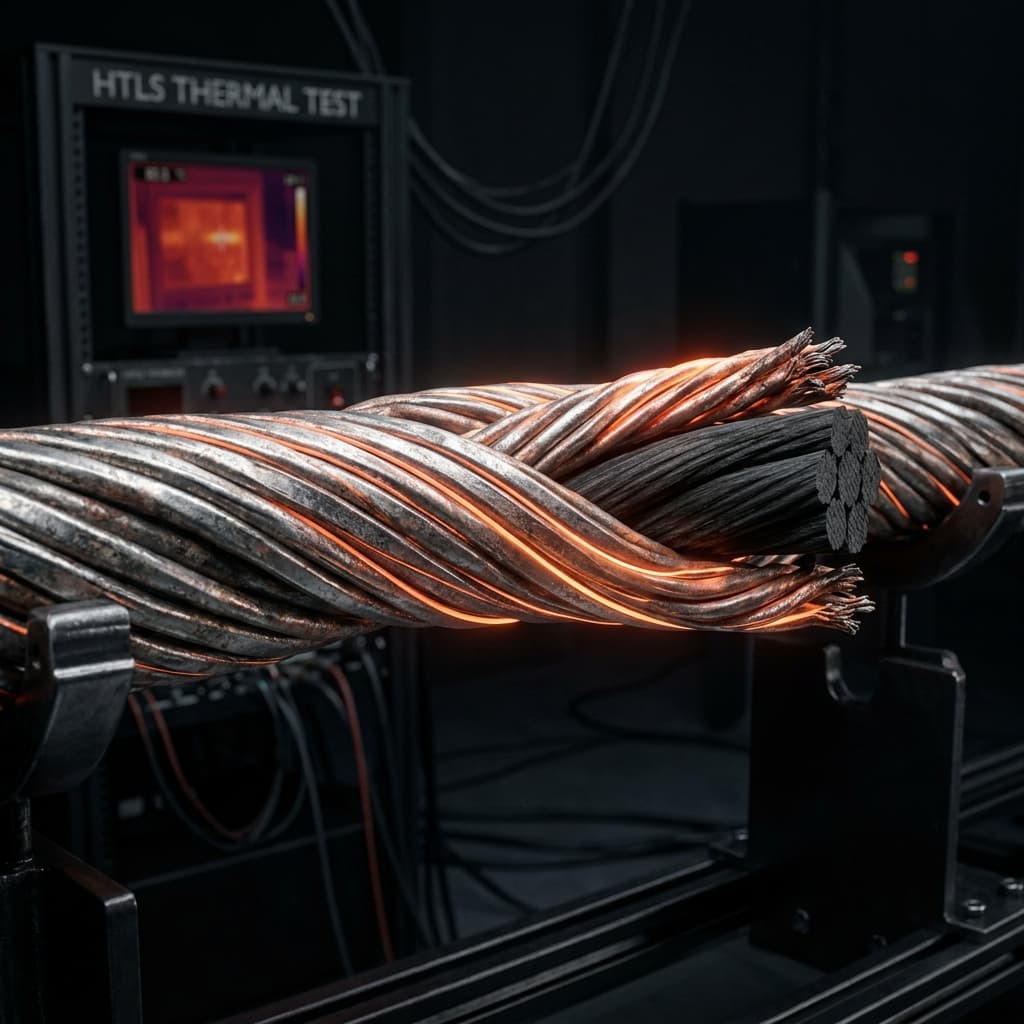
Heat-tolerant construction enables higher operating temperatures while protecting line clearances, network stability, and transfer performance.

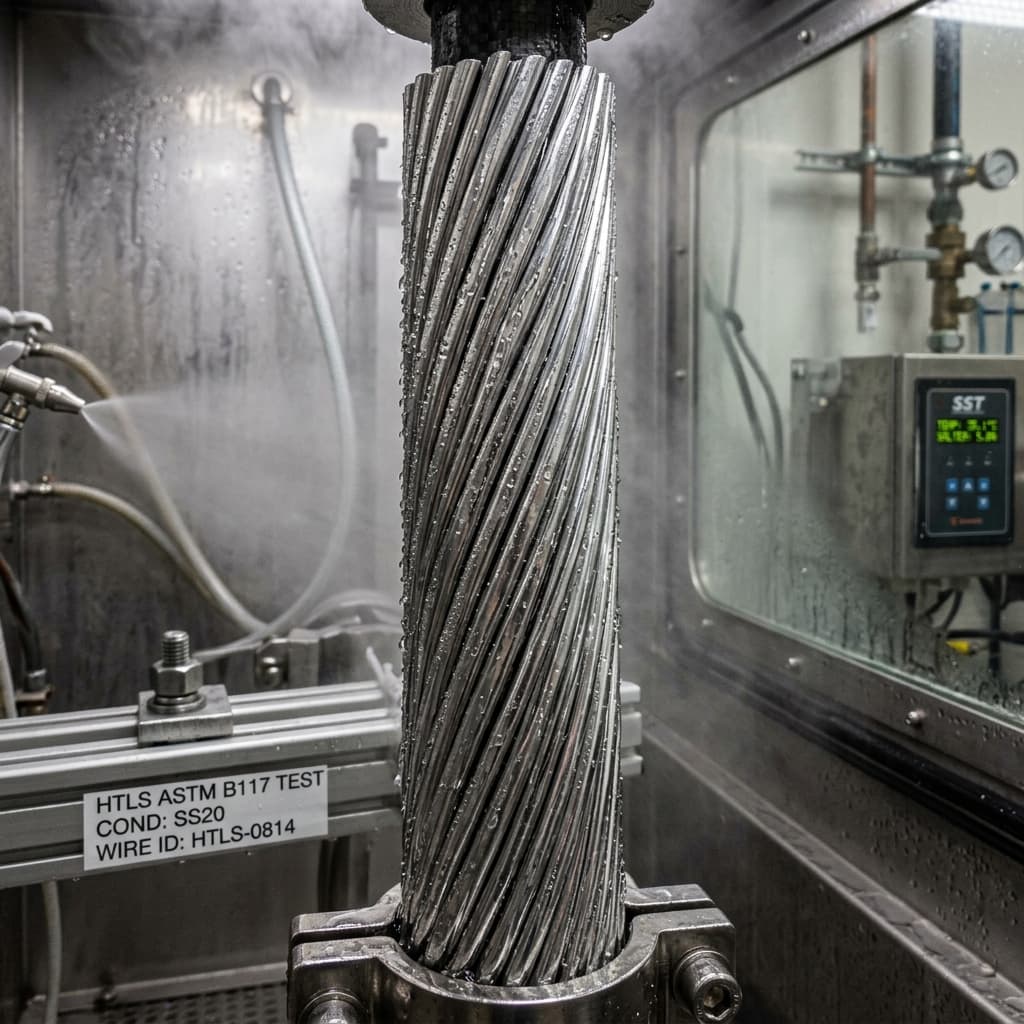
04
Material protection helps sustain conductor performance in industrial, weather-exposed, and long-service transmission environments.

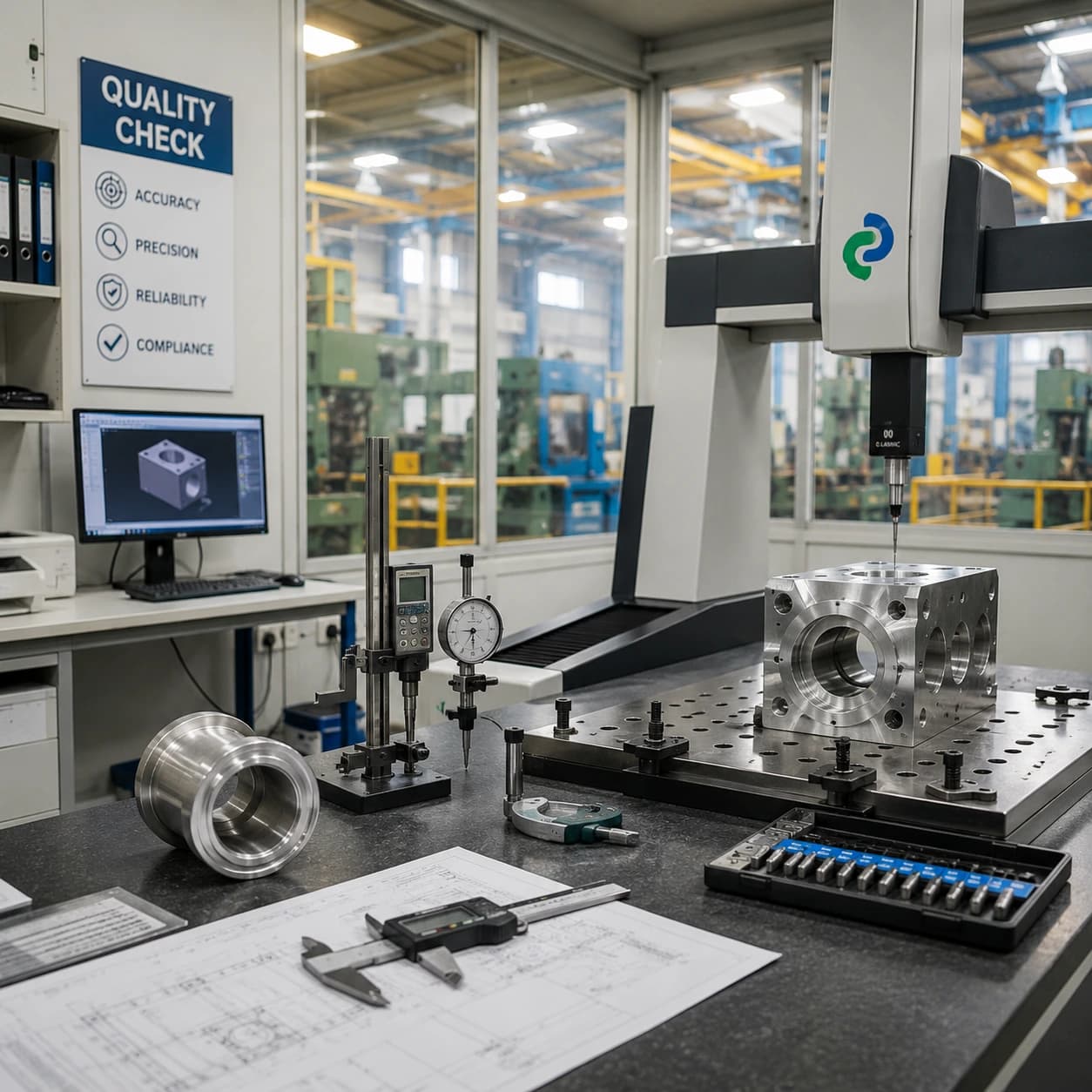
05
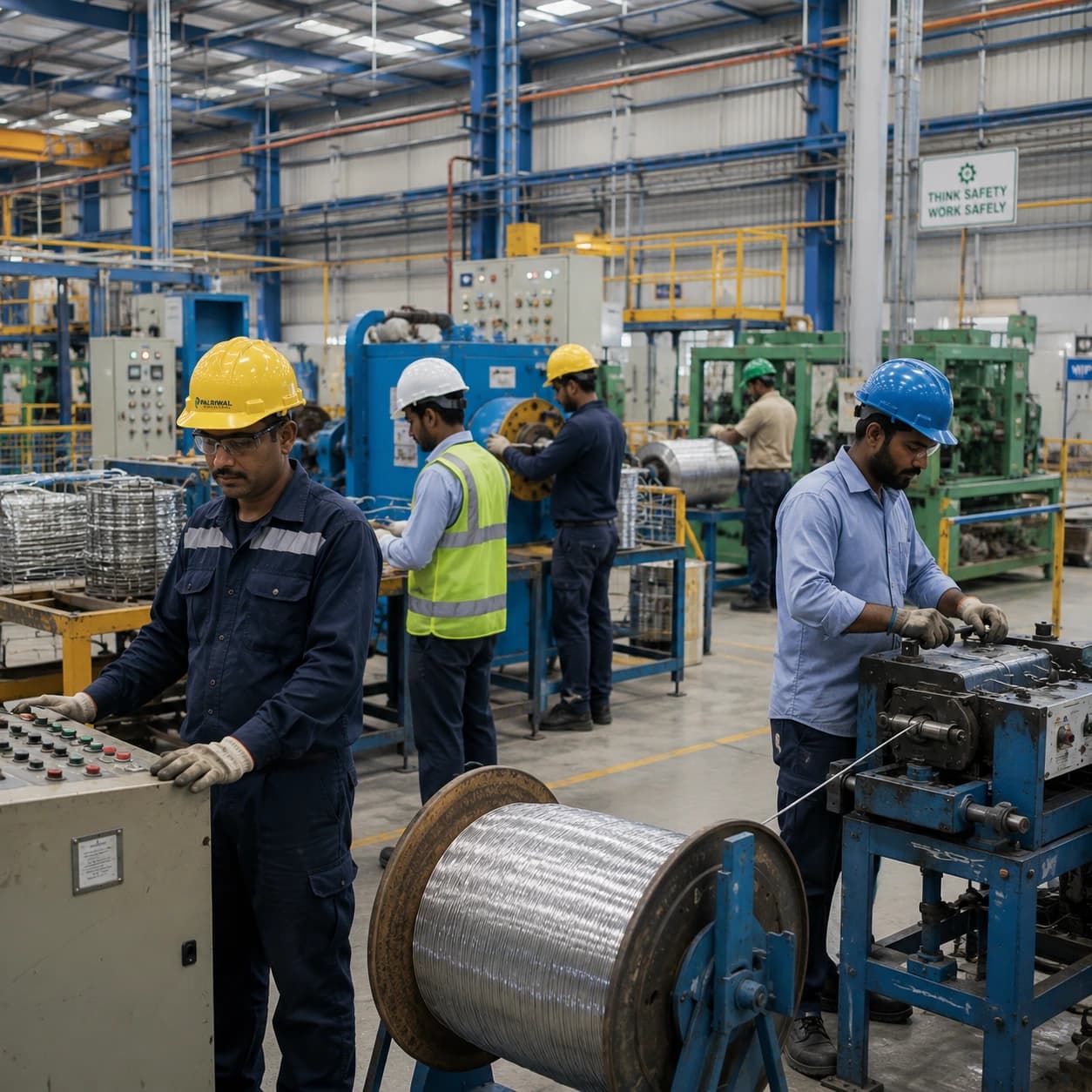
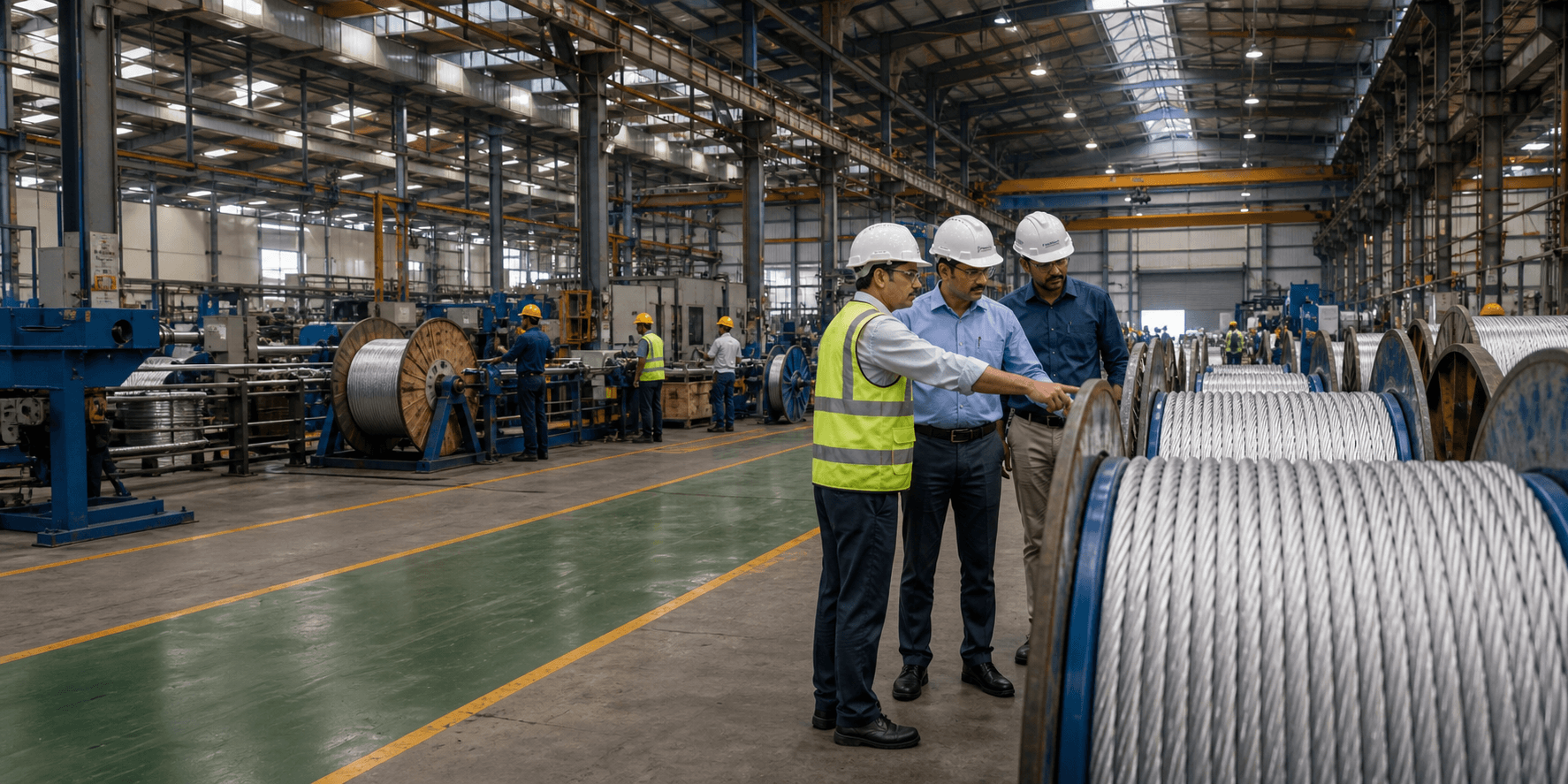
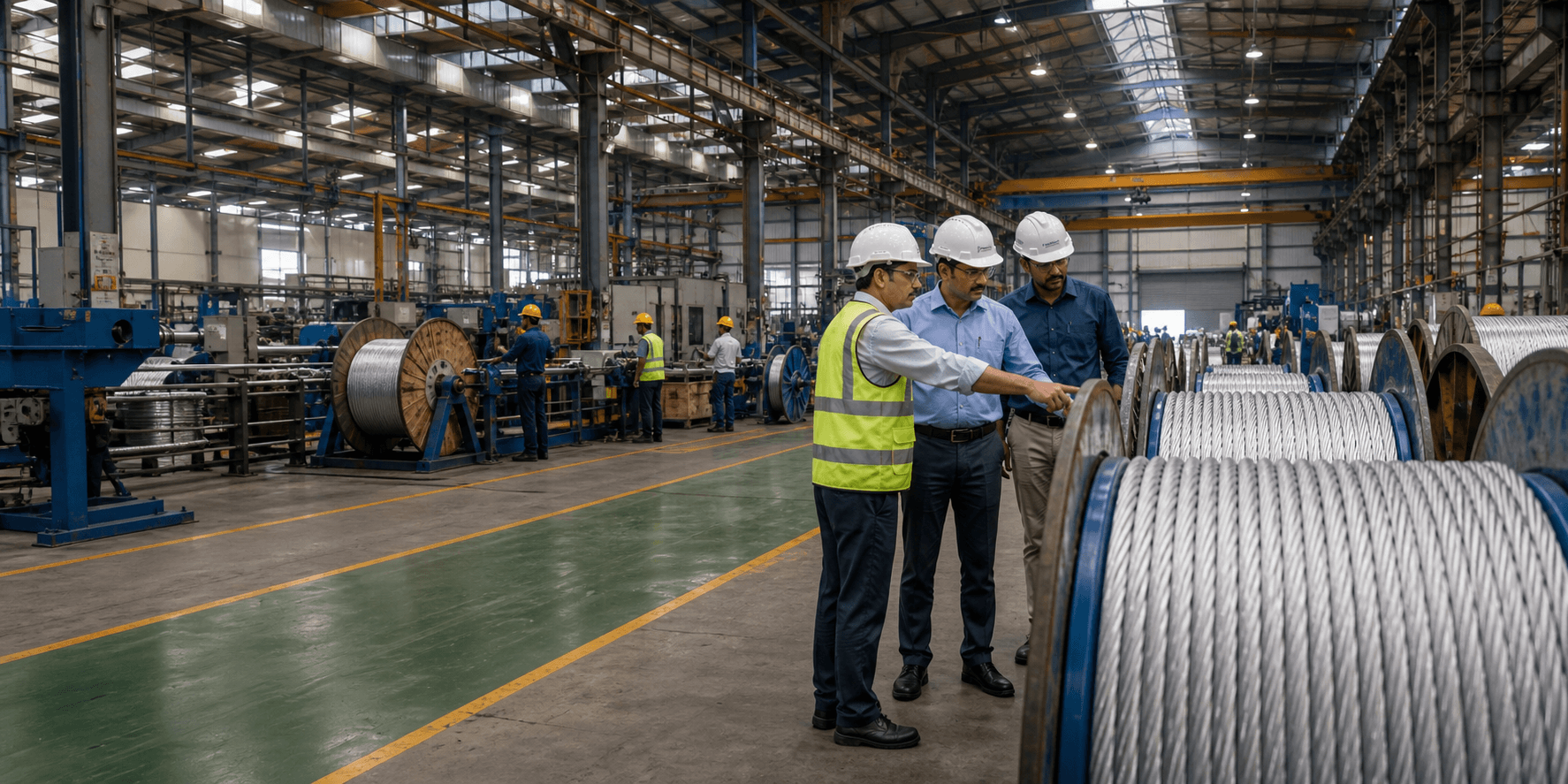
Inspection, validation, and process discipline support dependable lifecycle performance for critical grid infrastructure assets.


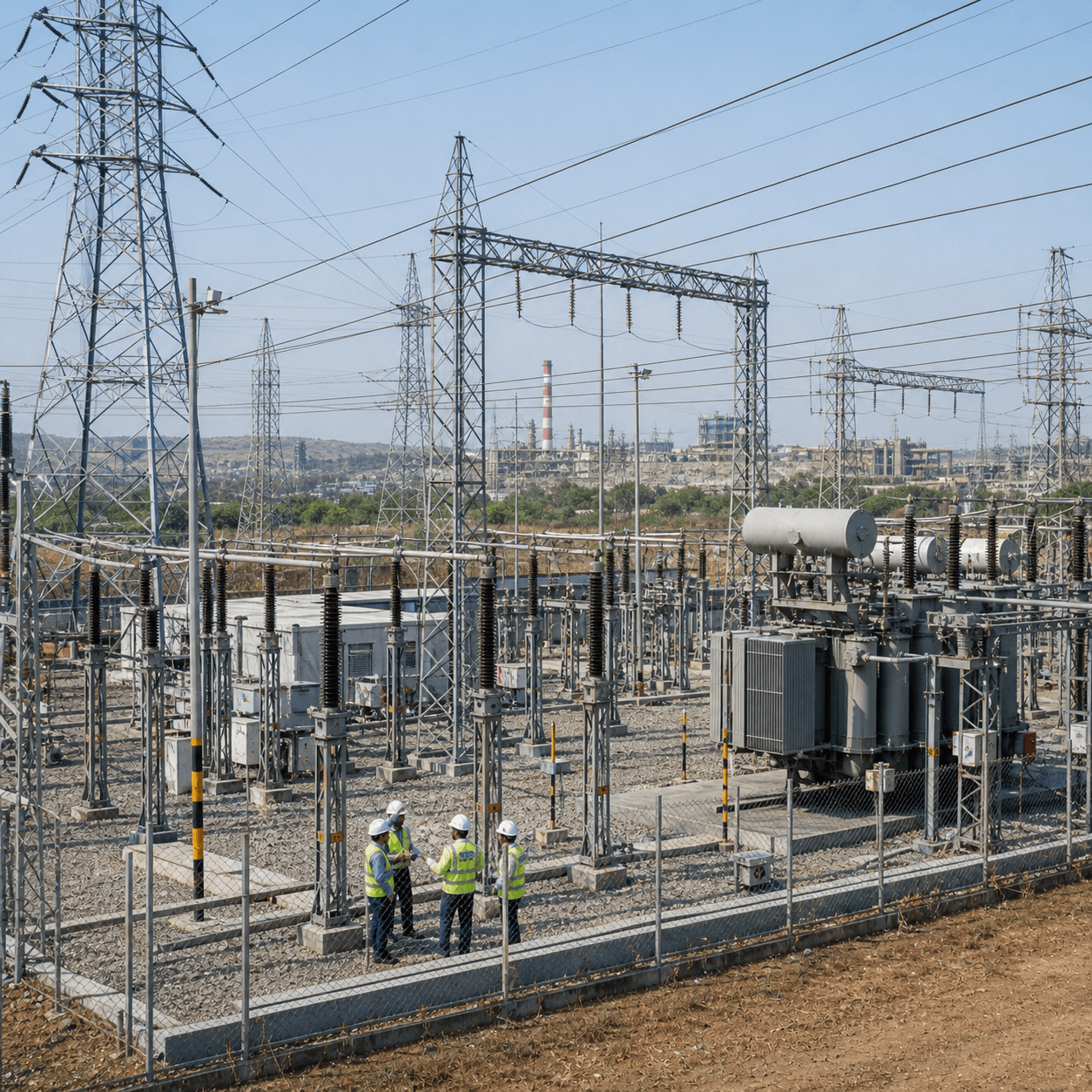
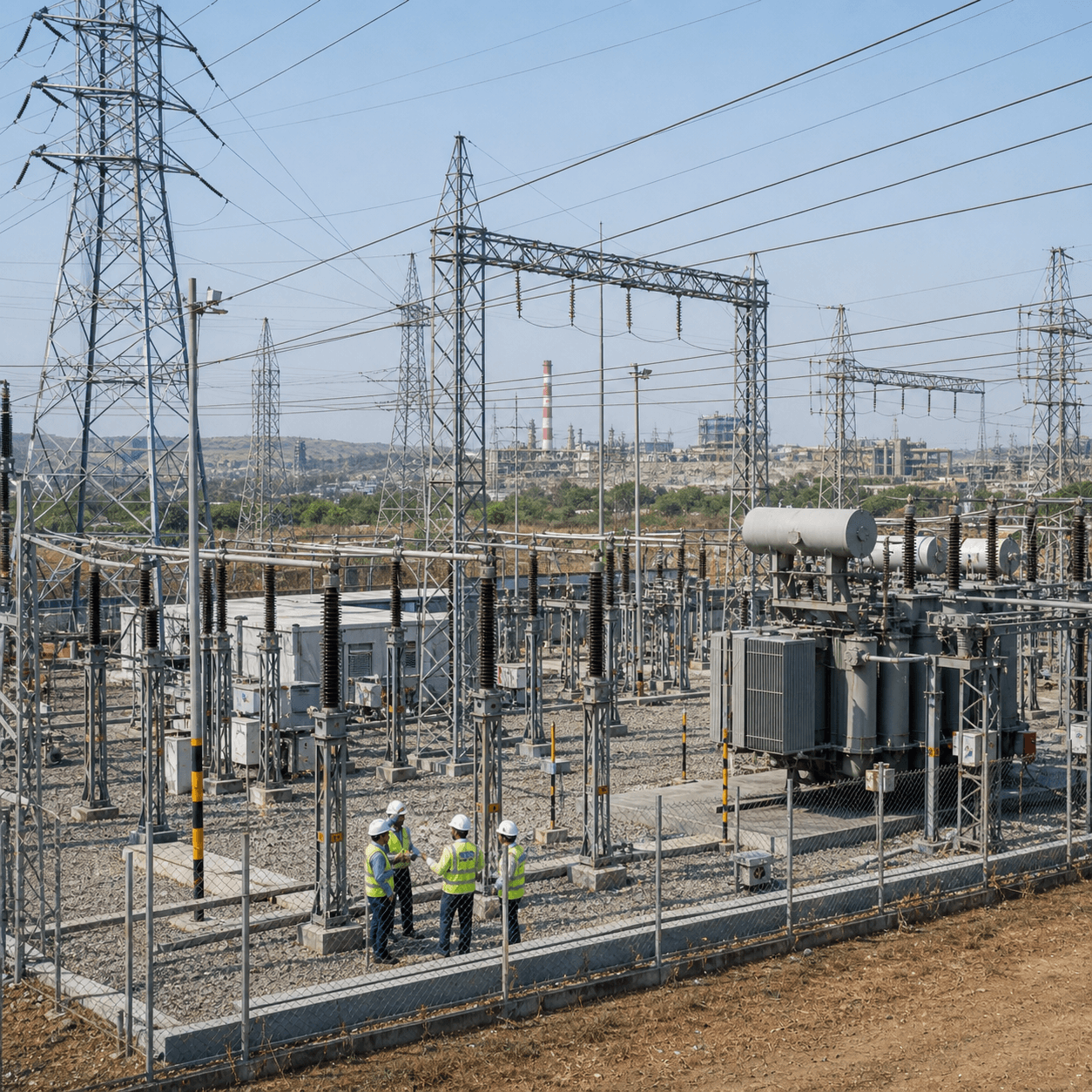
Built for transmission corridors where utilities need higher ampacity and dependable long-route power transfer.

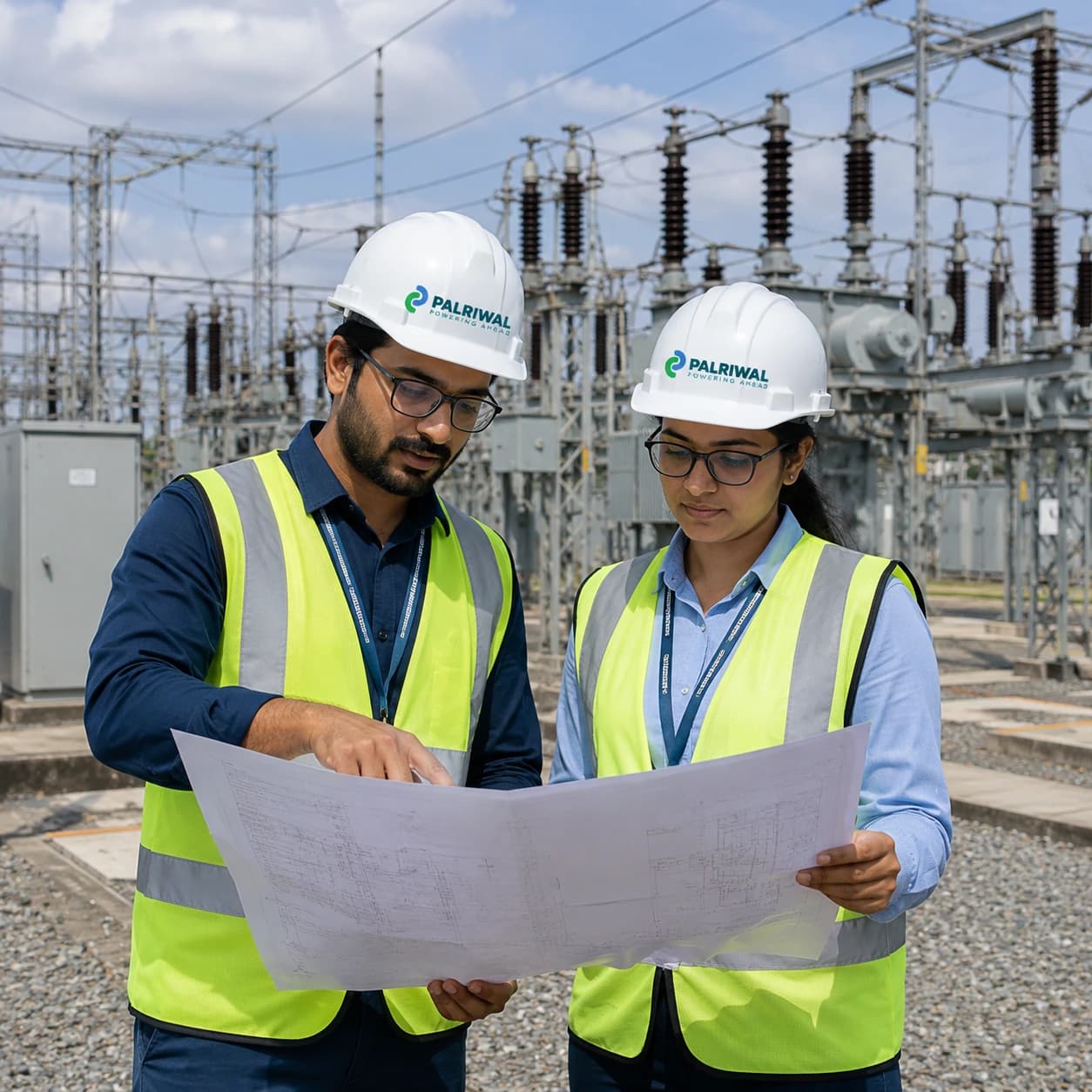
A strong fit for upgrading existing lines when network loading must increase without corridor expansion.

Supports cleaner power evacuation and network reinforcement with conductors designed for thermal resilience.

Designed for dense transmission environments where reliability and lower sag remain critical for city-side grids.

Ideal for constrained alignments where better thermal performance helps improve throughput within limited right of way.

A practical solution for DISCOM and utility modernisation programs that demand higher performance with controlled rebuild scope.

Built for transmission corridors where utilities need higher ampacity and dependable long-route power transfer.

A strong fit for upgrading existing lines when network loading must increase without corridor expansion.

Supports cleaner power evacuation and network reinforcement with conductors designed for thermal resilience.

Designed for dense transmission environments where reliability and lower sag remain critical for city-side grids.

Ideal for constrained alignments where better thermal performance helps improve throughput within limited right of way.

A practical solution for DISCOM and utility modernisation programs that demand higher performance with controlled rebuild scope.

Steel-reinforced HTLS format
Best for
Steel-reinforced HTLS format for high-temperature reconductoring. Features: higher thermal rating, reliable long spans, uprating-ready format.
Higher thermal rating
Reliable long spans
Uprating-ready format

Composite core, low-sag profile
Best for
Composite core, low-sag profile for higher ampacity with lower sag. Features: composite core strength, corridor efficiency, reduced line sag.
Composite core strength
Corridor efficiency
Reduced line sag

Reinforced for demanding loads
Best for
Reinforced format for demand-intensive network routes. Features: high load support, thermal resilience, utility-grade durability.
High load support
Thermal resilience
Utility-grade durability

Gap-managed thermal expansion system
Best for
Gap-managed thermal expansion system for grid uprating in constrained alignments. Features: controlled expansion, better corridor fit, low-sag operation.
Controlled expansion
Better corridor fit
Low-sag operation

Balanced format for mixed requirements
Best for
Balanced format for flexible utility upgrade planning. Features: balanced performance, network adaptability, modern grid readiness.
Balanced performance
Network adaptability
Modern grid readiness

Best for
Steel-reinforced HTLS format for high-temperature reconductoring. Features: higher thermal rating, reliable long spans, uprating-ready format.
Compliance references across IEC, ASTM, IS, CIGRE, IEEE, and BS EN support technical acceptance, bid alignment, and transmission project execution.